Human Rights Council Immersion Program |UNITAR
Location: Geneva / Online (via UNITAR’s virtual platform)
Dates: 2020
Status: Completed
Quick Project Overview
Through UNITAR’s intensive three-week Human Rights Council Training Programme, I deepened my understanding of multilateral diplomacy, international human rights mechanisms, and sustainable development frameworks. The experience prepared me to engage with global systems and contribute to equitable rights-centered initiatives.
-
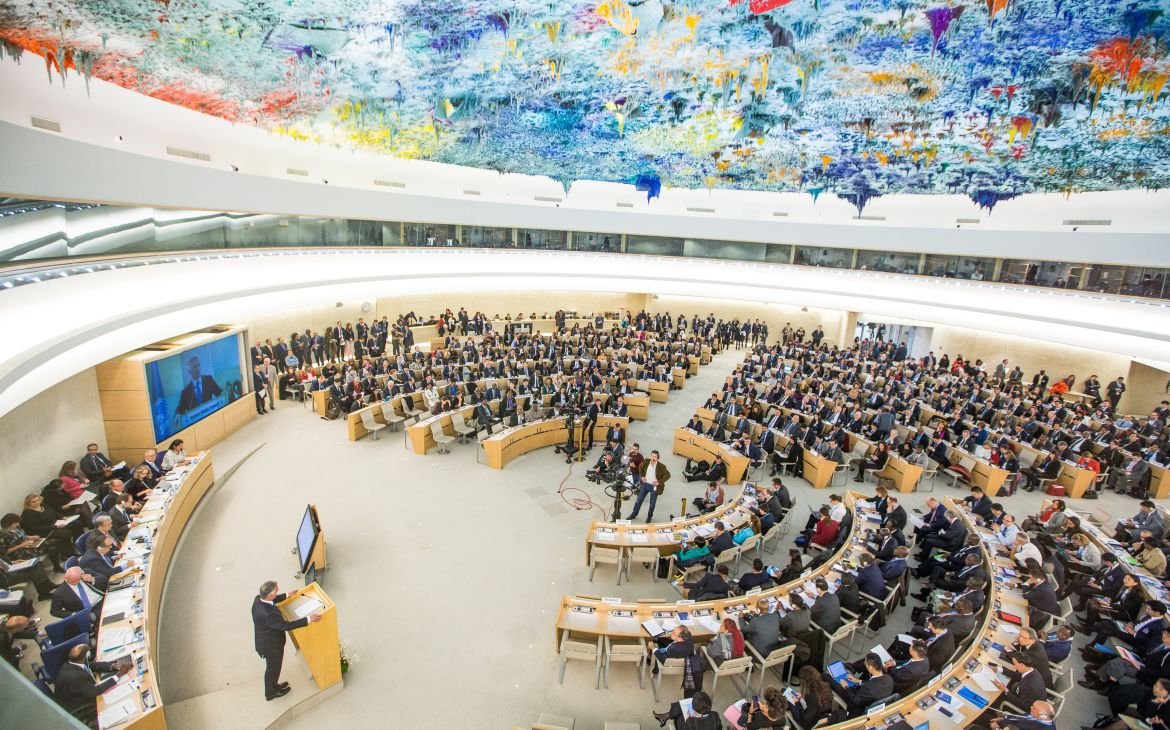
As a programme run alongside the real United Nations Human Rights Council (HRC) in Geneva, this training offers immersive modules in multilateral diplomacy, human rights, and the intersections of climate, development and justice. In a moment when global human rights challenges— from climate justice to digital rights— are deeply urgent, participating in this programme provided a crucial lens on how international systems function and where strategic entry-points for change exist.
-
UNITAR’s senior experts and facilitators (former UN staff, ambassadors)
Fellow participants from NGOs, academia, public and private sectors
UNITAR’s e-learning and live-workshop teams
-
I participated in the full suite of e-Learning modules (covering “The United Nations”, “Conference Diplomacy”, and “Human Rights, Climate Change and the SDGs”) and engaged in live workshops on negotiation, leadership, and UN career development. I attended live-stream sessions of the HRC in Geneva, engaged in discussion forums, and applied my learning to simulate diplomatic negotiations and rights-based advocacy strategies.
-
Certificate of completion from UNITAR
Simulated negotiation and advocacy exercises demonstrating applied learning
Personal action plan for integrating human-rights lens into future systems-change work
-
UNITAR’s virtual learning platform (e-modules, quizzes, discussion forums)
Zoom workshops and webinars with UN experts
Collaborative drafting and negotiation simulation tools
Impact & Learnings
This experience refined my understanding of how international human-rights systems operate—and how change can be strategically pursued within those frameworks. It deepened my conviction that effective systems-change work must engage across scales: from local communities to global institutions. The programme offered me both the language and methods to connect grassroots innovation with formal multilateral architecture.
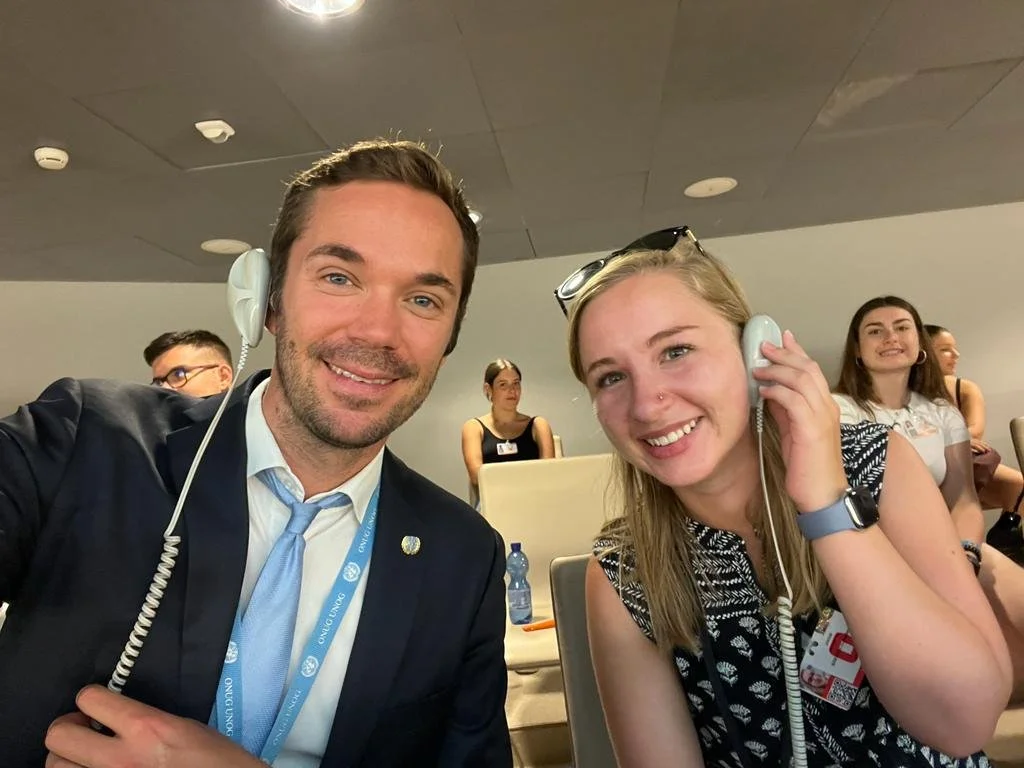
UNITAR Programme Leader Julian Calletti whom I later met and was honored to experience seeing the Human Rights Council live in session in 2022.